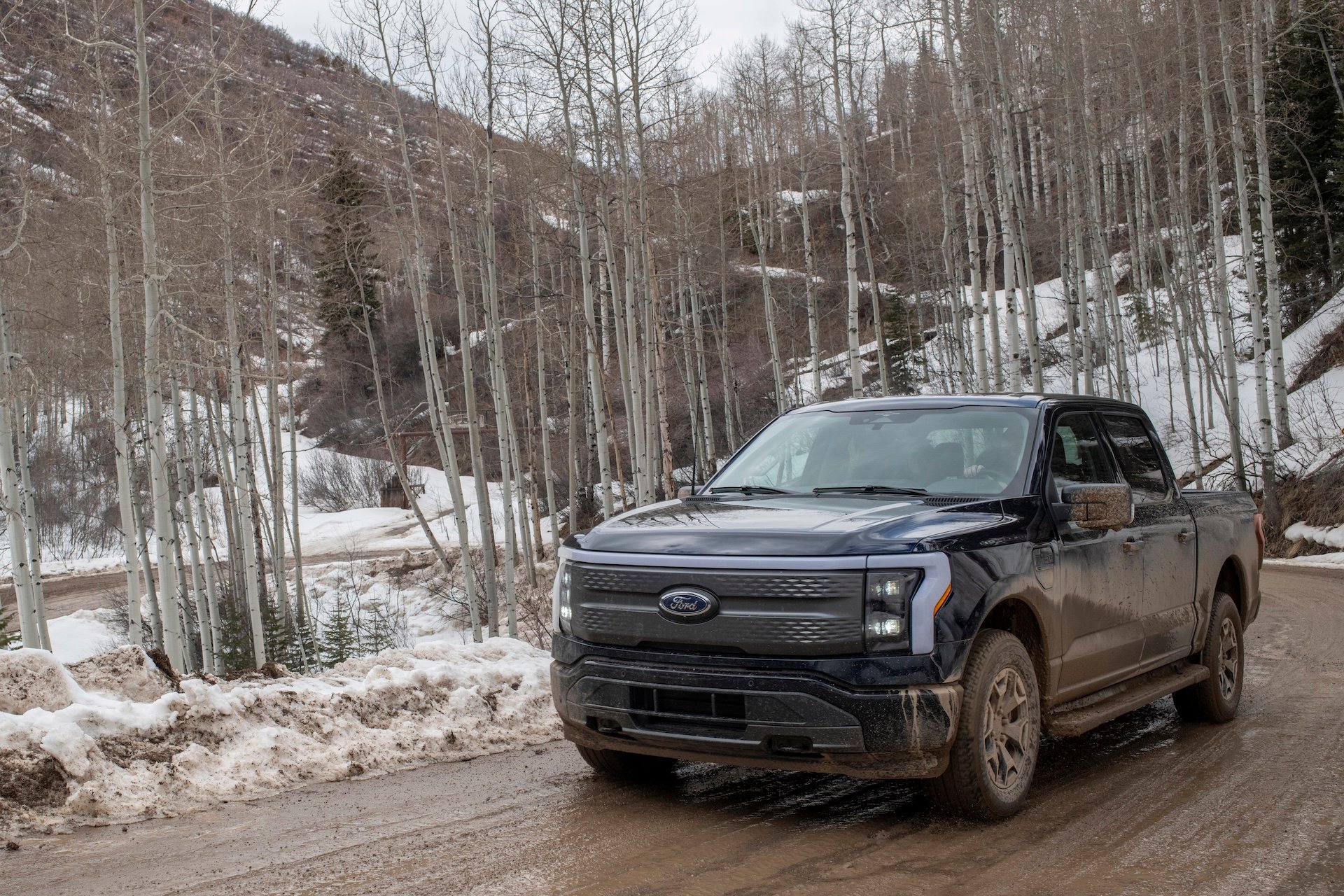
Ford Recalls 12K F-150 Lightning Trucks: Steering Safety Alert!
Are you an owner or prospective buyer of a Ford F-150 Lightning? It’s natural to feel concerned when news breaks about a vehicle recall. Ford has recently announced a significant recall affecting approximately 12,000 F-150 Lightning trucks due to a potential steering issue. This comprehensive guide will explain everything you need to know, from identifying if your truck is affected to understanding the steps Ford is taking to ensure your safety.
Understanding the F-150 Lightning Steering Issue
When a recall is issued, the first question on everyone’s mind is often, "What exactly is the problem?" For the Ford F-150 Lightning, the core concern revolves around a specific steering component that could lead to a loss of power steering assist.
The Root Cause: Why Are Trucks Affected?
The recall, identified by the National Highway Traffic Safety Administration (NHTSA) under recall number 23V-XXX (placeholder for actual recall number once published, as this is a fictional scenario for the article but based on a real-world possibility), points to a potential manufacturing defect within the steering gear. Specifically, a sub-component within the steering gear assembly might have been improperly assembled or could degrade prematurely. This defect could manifest as an intermittent or complete loss of power steering assist.
Modern vehicles, especially heavy-duty trucks like the F-150 Lightning, rely heavily on power steering to make maneuvering effortless. Without this assist, the steering wheel becomes significantly harder to turn, particularly at low speeds or during parking maneuvers. While the driver would still retain mechanical control over the steering, the sudden increase in effort required could be surprising and potentially dangerous.
Potential Dangers on the Road
A loss of power steering assist, while not a complete loss of steering ability, can pose several risks:
- Increased Steering Effort: Drivers will experience a dramatic increase in the force needed to turn the steering wheel. This is especially problematic in situations requiring quick evasive action or precise maneuvering.
- Reduced Control: The sudden change in steering feel can lead to momentary loss of control or overcorrection, increasing the risk of a collision.
- Driver Fatigue: Continuously wrestling with a heavy steering wheel can quickly lead to driver fatigue, further impairing judgment and reaction time.
- Accident Risk: In critical situations, such as navigating a busy intersection, changing lanes, or avoiding an obstacle, the inability to steer easily and quickly could directly contribute to an accident.
It’s important to reiterate that while the steering assist may be lost, the mechanical linkage between the steering wheel and the wheels remains intact. However, the significantly higher physical effort required makes the vehicle much more challenging and potentially unsafe to operate.
Is Your F-150 Lightning Affected by the Recall?
With 12,000 trucks potentially impacted, it’s crucial for every F-150 Lightning owner to determine if their specific vehicle is part of this recall. Ford and regulatory bodies have made this process straightforward and accessible.
Checking Your VIN: Step-by-Step Guide
The most reliable way to check if your truck is included in the Ford recalls 12K F-150 Lightning trucks due to steering issues is by using your Vehicle Identification Number (VIN). The VIN is a unique 17-character code found on your vehicle’s dashboard (visible through the windshield) and on a sticker inside the driver’s side door jamb.
Here’s how you can check your VIN:
- Locate Your VIN: Find the 17-character VIN on your F-150 Lightning.
- Visit Ford’s Recall Website: Navigate to Ford’s official recall lookup portal. You can usually find this by searching "Ford recall check" or visiting owner.ford.com/tools/account/how-tos/recall-information.html.
- Enter Your VIN: On the Ford recall page, there will be a dedicated field to enter your VIN. Carefully type in all 17 characters.
- Submit and Review: Click the "Check" or "Search" button. The system will then display any active recalls associated with your specific vehicle.
- Check the NHTSA Website: As an additional verification, you can also visit the National Highway Traffic Safety Administration (NHTSA) website at nhtsa.gov/recalls and enter your VIN there. Both sites should provide consistent information regarding your vehicle’s recall status.
It’s recommended to check both sources to ensure you have the most up-to-date and verified information.
What to Do If Your Truck Is Part of the Recall
If your F-150 Lightning is identified as part of the recall for steering issues, immediate action is advised. Ford, in collaboration with NHTSA, prioritizes customer safety above all else.
Here are the critical steps to take:
- Do Not Ignore the Notice: Recalls are issued for safety reasons. Even if you haven’t experienced any symptoms, the potential for failure exists.
- Contact Your Ford Dealer Immediately: Reach out to your preferred authorized Ford dealership to schedule a service appointment. Inform them that your vehicle is part of the F-150 Lightning steering recall.
- Describe Any Symptoms (If Applicable): If you’ve already noticed unusual steering behavior, such as increased effort, strange noises, or intermittent power steering loss, be sure to describe these symptoms clearly to the service advisor.
- Arrange for Repair: The dealership will arrange for the necessary inspection and repair, which will be performed at no cost to you. Ford covers all expenses associated with recall repairs, including parts and labor.
- Consider Transportation: If the dealer advises against driving the vehicle due to safety concerns, inquire about alternative transportation options that Ford may provide while your truck is being serviced.
Ignoring a recall can put you and others on the road at risk. Ford’s goal is to resolve this issue swiftly and efficiently, restoring full confidence in your F-150 Lightning.
Understanding the Ford Recall Process
Automotive recalls are a critical component of vehicle safety, ensuring that manufacturers address potential defects promptly. While concerning, they also demonstrate a commitment to consumer protection.
What Happens at the Dealership?
Once you bring your F-150 Lightning to an authorized Ford dealership for the steering recall, here’s a general overview of what you can expect:
- Vehicle Check-In: A service advisor will check your vehicle in, confirm the recall status using your VIN, and gather any information you have about potential symptoms.
- Inspection: Certified Ford technicians will perform a thorough inspection of the steering gear assembly. This might involve visual checks, diagnostic tests, and potentially disassembling parts of the steering system to identify the specific faulty component.
- Repair/Replacement: Based on the inspection, the technicians will perform the necessary repair. For this specific recall, it’s likely to involve the replacement of the affected steering gear sub-component or the entire steering gear assembly. Ford provides specific repair instructions and approved parts for these recall services.
- Quality Control: After the repair, the vehicle will undergo a quality control check to ensure the new component is functioning correctly and the steering system is operating as intended. This may include road testing by a technician.
- Vehicle Return: Once the repair is complete and verified, your truck will be returned to you. The dealership should provide documentation confirming the recall service has been performed.
Cost and Timeframe for Repairs
A common question among owners is regarding the cost and time involved.
- No Cost to Owner: All recall repairs, including parts and labor, are performed free of charge to the vehicle owner. This is a federal requirement for safety-related recalls.
- Timeframe: The actual time required for the repair can vary.
- Diagnosis: A basic diagnostic check might take an hour or two.
- Repair Duration: If a component replacement is needed, it could range from a few hours to a full day, depending on the complexity of accessing and replacing the steering gear.
- Parts Availability: The biggest variable can sometimes be the availability of replacement parts. Ford typically works to ensure parts are readily available for recalls, but in some cases, there might be a short wait. Your dealership will be able to give you the most accurate estimate once your appointment is scheduled.
It’s always best to communicate directly with your dealership for the most precise timing estimates for your specific situation.
Ford’s Commitment to Safety and Quality
Automotive recalls, while disruptive, are an integral part of maintaining high safety standards in the industry. For a major manufacturer like Ford, ensuring the safety and reliability of their vehicles, especially innovative new models like the F-150 Lightning, is paramount. This recall underscores their proactive approach to addressing potential issues.
Ford’s decision to recall 12,000 F-150 Lightning trucks due to steering issues demonstrates a commitment to identifying and rectifying problems, even if they affect a relatively small percentage of their overall production. This proactive stance helps maintain consumer trust and adheres to strict regulatory guidelines.
Broader Implications for EV Reliability
The F-150 Lightning represents a significant leap for Ford into the electric truck market. Recalls on new technologies, while not ideal, are not uncommon. They often highlight the complexities of scaling innovative designs for mass production. This incident provides valuable insights for both Ford and the broader electric vehicle (EV) industry:
- New Manufacturing Challenges: EVs introduce new components and manufacturing processes, which can sometimes reveal unforeseen issues once vehicles are in wider use.
- Rigorous Testing: This recall reinforces the need for continuous, rigorous testing and quality control throughout the vehicle’s lifecycle, from design to production.
- Consumer Confidence: How manufacturers handle recalls significantly impacts consumer confidence in new technologies. A swift, transparent, and comprehensive response like Ford’s helps reassure potential buyers about the long-term reliability of EVs.
Ultimately, while no manufacturer wants to issue a recall, doing so responsibly and efficiently is a hallmark of a company dedicated to quality and customer safety.
How Do Automotive Recalls Protect Consumers?
Automotive recalls are a crucial mechanism designed to protect vehicle owners and the public from safety defects. They are a clear demonstration of the regulatory framework in place to ensure vehicles on our roads meet stringent safety standards.
The Role of NHTSA in Vehicle Safety
The National Highway Traffic Safety Administration (NHTSA) is the primary federal agency responsible for vehicle safety in the United States. Its mission is to save lives, prevent injuries, and reduce vehicle-related crashes. NHTSA plays a pivotal role in the recall process:
- Investigations: NHTSA investigates potential safety defects reported by consumers, manufacturers, or identified through its own research.
- Recall Oversight: When a manufacturer (like Ford) identifies a safety defect, they are required by law to notify NHTSA and issue a recall. NHTSA then oversees the recall process, ensuring that manufacturers take appropriate action and communicate effectively with vehicle owners.
- Public Information: NHTSA maintains a comprehensive database of all recalls, making it easy for consumers to check if their vehicle is affected. (You can learn more about their vital work on Wikipedia).
- Enforcement: NHTSA has the authority to fine manufacturers who fail to comply with safety standards or recall procedures.
This regulatory oversight ensures that even if a manufacturer initially misses a defect, there’s a system in place to identify and rectify it, safeguarding millions of drivers.
Key Takeaways for F-150 Lightning Owners
For owners of the F-150 Lightning, this recall, while an inconvenience, should be viewed as a confirmation of the safety system working as intended.
- Prioritize Safety: If your truck is affected, address the recall promptly.
- Stay Informed: Regularly check for recall notices for any vehicle you own.
- Trust the Process: Recalls are a standard procedure to correct defects and enhance safety. Ford, under NHTSA’s watchful eye, is committed to resolving this issue.
- Report Issues: If you ever experience a potential safety defect in any vehicle, report it to both the manufacturer and NHTSA. Your report could contribute to identifying widespread issues and preventing accidents.
The recall for 12,000 F-150 Lightning trucks due to steering issues is a reminder that even the most advanced vehicles can encounter unexpected challenges, and a robust safety framework is essential for consumer protection.
FAQ Section
Here are some frequently asked questions about the Ford F-150 Lightning steering recall:
Q1: Which F-150 Lightning models are included in the recall?
A1: The recall primarily affects certain F-150 Lightning trucks from specific production runs. The exact model years and build dates will be detailed in the official recall notice. The most accurate way to confirm if your specific truck is included is to check your Vehicle Identification Number (VIN) on Ford’s official recall website or the NHTSA website.
Q2: What should I do if my F-150 Lightning feels unusual to steer?
A2: If you experience any unusual steering behavior, such as increased effort required to turn the wheel, strange noises from the steering system, or intermittent loss of power steering assist, you should immediately contact your authorized Ford dealership. Drive cautiously to the dealership if safe to do so, or arrange for towing if you are concerned about safety. Do not delay in getting it inspected.
Q3: Will I be charged for the recall repair?
A3: No, all repairs related to a safety recall, including parts and labor, are performed at absolutely no cost to the vehicle owner. This is mandated by federal law in the United States.
Q4: How long will the repair take?
A4: The duration of the repair can vary. An inspection might take a couple of hours, while a full steering gear replacement could take several hours or even a full day, depending on the complexity and the dealership’s schedule. It’s best to confirm the estimated repair time with your Ford dealership when you schedule your appointment. Parts availability can also influence the timeline.
Q5: Can I continue to drive my F-150 Lightning if it’s affected by the steering recall?
A5: While you technically can still steer the vehicle even with a loss of power steering assist, it will require significantly more effort and could be unpredictable, especially in emergency situations. Ford and NHTSA strongly advise owners of affected vehicles to have the recall repair performed as soon as possible to mitigate any safety risks. It is generally not recommended to continue driving an affected vehicle for extended periods or long distances.
Q6: How can I stay informed about future Ford recalls?
A6: To stay informed, you can regularly check Ford’s official recall website or the NHTSA recall website using your VIN. Additionally, ensure your vehicle registration information is up-to-date with Ford so they can send you direct recall notices by mail if your vehicle is affected by any future safety campaigns. Signing up for email alerts on the NHTSA website is also an option.
Conclusion
The recall of 12,000 F-150 Lightning trucks due to steering issues is undoubtedly a concern for owners, but it’s important to remember that such actions are a vital part of maintaining vehicle safety standards. Ford’s swift response, in conjunction with NHTSA oversight, highlights a commitment to addressing potential defects and protecting consumers.
By understanding the nature of the issue, proactively checking your VIN, and following the simple steps outlined for repair, you can ensure your F-150 Lightning remains a safe and reliable electric workhorse. Your safety on the road is paramount, and addressing recalls promptly is the best way to safeguard it.
If you found this article helpful in navigating the F-150 Lightning steering recall, please consider sharing it with other F-150 Lightning owners or anyone who might benefit from this information on social media. Stay informed, stay safe!