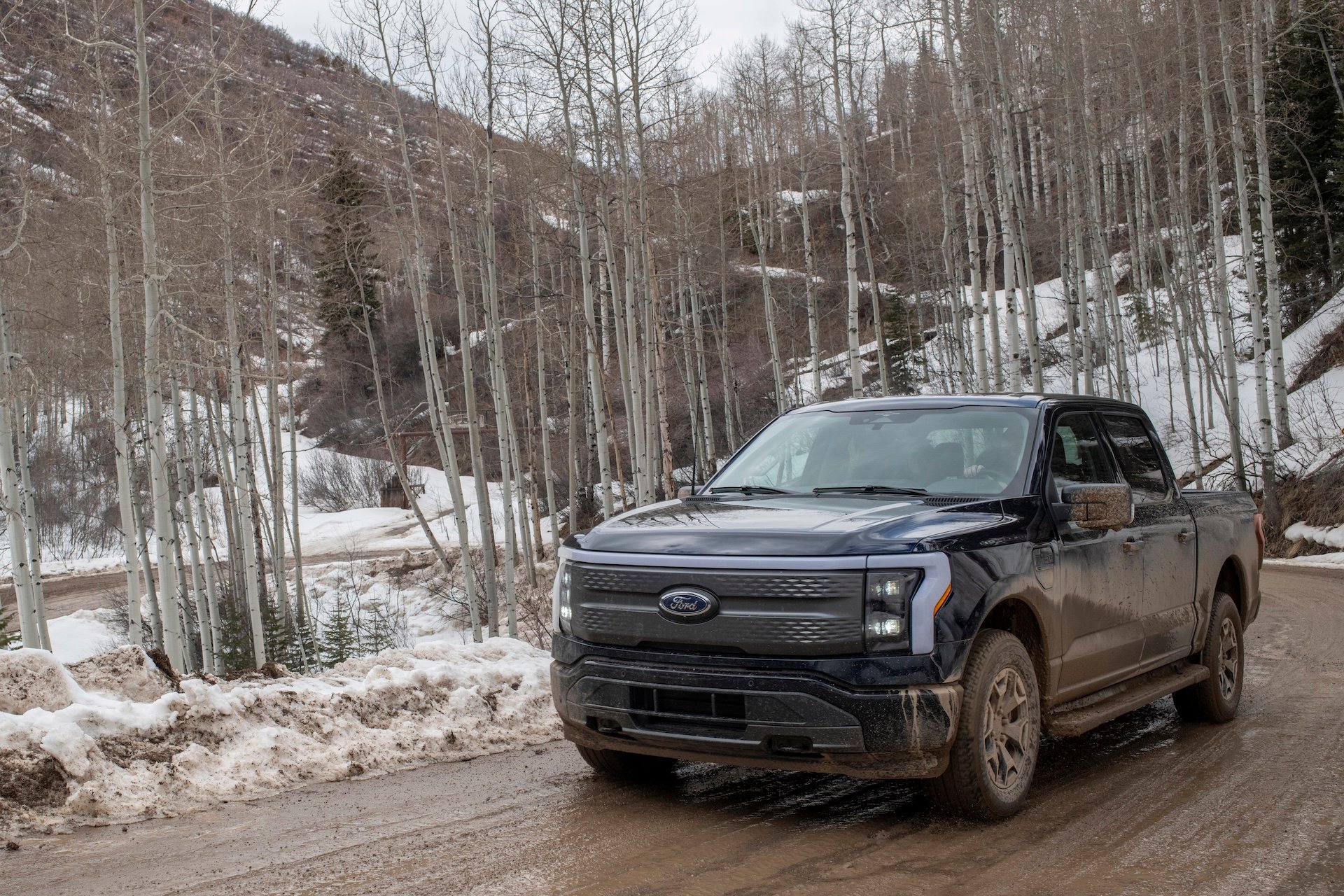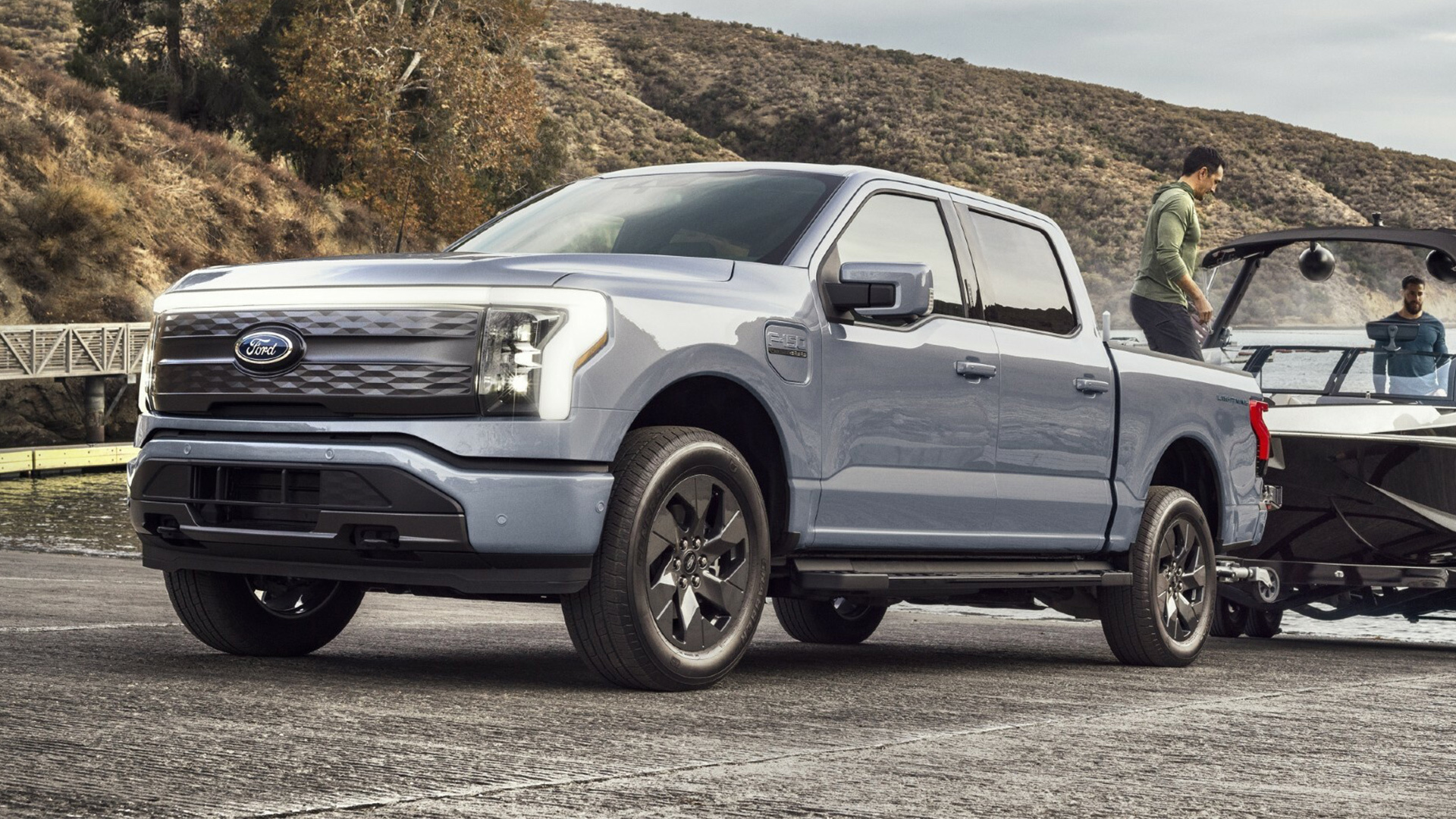
Ford Recalls 12K F-150 Lightning: Steering Alert!
If you own an F-150 Lightning, hearing about a recall can be unsettling. Your vehicle’s safety is paramount, and understanding the details of any issue is crucial for peace of mind. Recently, Ford Recalls 12K F-150 Lightning Trucks Due To Steering Issues, a development that has naturally raised questions among owners and enthusiasts alike. This article aims to provide a comprehensive, easy-to-understand guide on what this recall means for you and your electric truck.
What’s Behind the Ford F-150 Lightning Steering Recall?
The news of a significant recall for the Ford F-150 Lightning, specifically impacting approximately 12,000 units, might spark concern. At the heart of this recall is a potential issue with the vehicle’s steering gear assembly. Ford has identified that certain trucks may have left the factory with a steering gear that could contain a loose component, specifically a pinion gear. This seemingly small part plays a critical role in how your steering wheel communicates with your truck’s wheels.
In simple terms, when you turn the steering wheel, the pinion gear, along with other components, translates that input into the movement of your wheels. If this pinion gear is loose, it could lead to a range of undesirable and potentially dangerous steering behaviors. Ford, in its commitment to customer safety and product integrity, acted swiftly to address this potential defect. This proactive measure aligns with stringent automotive safety standards, ensuring that any identified risk is mitigated before it can cause widespread problems. Understanding the precise nature of the defect is the first step in comprehending the gravity of the recall and why it’s essential for affected owners to take action.
Are You Affected? Identifying Recalled F-150 Lightning Trucks
The primary question on every F-150 Lightning owner’s mind right now is, "Is my truck one of the 12,000 affected?" Ford’s recall specifically targets certain 2023 model year F-150 Lightning electric pickup trucks. To be more precise, the affected vehicles were built at Ford’s Dearborn Truck Plant between specific dates. While Ford will directly notify registered owners via mail, you don’t have to wait for a letter to find out if your vehicle is part of the Ford Recalls 12K F-150 Lightning Trucks Due To Steering Issues.
Here’s how you can check if your F-150 Lightning is included in this safety recall:
- Check Your VIN: Every vehicle has a unique 17-character Vehicle Identification Number (VIN). This is the most reliable way to determine if your truck is affected. You can usually find your VIN on the driver’s side dashboard (visible through the windshield) or on the driver’s side door jamb.
- Use Online Recall Checkers: Both Ford and the National Highway Traffic Safety Administration (NHTSA) offer online tools where you can enter your VIN to check for open recalls.
- Visit Ford’s official recall website.
- Visit the NHTSA recalls website (NHTSA.gov/recalls).
By entering your VIN on these sites, you’ll get immediate and accurate information regarding any open recalls specific to your vehicle, including this critical steering issue. Don’t delay checking, as prompt action is key to ensuring your safety.
Understanding the Steering Issue: What Owners Need to Know
When we talk about "steering issues," it’s natural to wonder about the specifics and the potential risks involved. The core problem identified in the Ford Recalls 12K F-150 Lightning Trucks Due To Steering Issues is a potentially loose pinion gear within the steering gear assembly. This component is integral to the smooth and precise operation of your truck’s steering system.
What happens if this pinion gear is loose?
- Reduced Steering Control: The most immediate and concerning symptom is a potential loss or reduction of steering control. This means the truck might not respond as accurately or predictably to your steering wheel inputs.
- Steering Noise: You might notice unusual noises, such as clunking or grinding sounds, coming from the steering column or front end of the vehicle, especially when turning the wheel.
- Increased Steering Effort: The steering wheel might feel unusually loose or, conversely, require more effort than normal to turn.
- Vague Steering Feel: Drivers might experience a "vague" feeling in the steering, where the connection between the steering wheel and the road feels less direct or responsive.
The potential dangers associated with these symptoms are significant. A sudden loss of steering control, especially at higher speeds or during critical maneuvers, could increase the risk of a crash, leading to serious injury or even fatality for occupants and others on the road. Ford’s decision to issue a recall underscores the seriousness of this potential defect and their commitment to preventing any such incidents. It’s crucial for owners to understand that while not every affected vehicle will experience these symptoms, the potential for them exists, making the recall a critical safety measure.
Your Next Steps: What To Do If Your F-150 Lightning Is Recalled
Discovering your F-150 Lightning is part of the recall can be concerning, but rest assured, Ford has a clear process in place to address the issue. Your safety is the top priority, and following these steps diligently will ensure the problem is resolved efficiently and effectively.
Here’s a step-by-step guide on what to do if your truck is affected by the Ford Recalls 12K F-150 Lightning Trucks Due To Steering Issues:
- Do Not Panic: The recall is a precautionary measure. While the issue is serious, Ford is providing a solution.
- Verify Your Recall Status: As mentioned earlier, use your VIN on Ford’s or NHTSA’s recall websites to confirm your truck is indeed affected. This prevents unnecessary trips to the dealership.
- Contact Your Local Ford Dealership: As soon as you confirm your vehicle is part of the recall, reach out to your preferred authorized Ford service center. Explain that you are calling about the F-150 Lightning steering recall.
- Schedule an Appointment: They will help you schedule a service appointment at your earliest convenience. Be prepared to provide your VIN.
- Inquire About Loaner Vehicles: If you rely heavily on your truck for daily activities, ask if loaner vehicles or alternative transportation options are available while your F-150 Lightning is being serviced.
- Do Not Ignore the Recall Notice: Even if you haven’t experienced any symptoms, it’s vital to have the repair done. The potential for the issue to manifest exists, and proactive repair is the safest course of action.
- Follow Dealership Instructions: On the day of your appointment, bring your vehicle to the dealership as instructed. The service technicians are trained specifically to perform this recall repair.
- Keep Records: After the repair is completed, ensure you receive documentation from the dealership confirming that the recall service was performed. This is important for your records and for any future vehicle transactions.
Remember, the repair will be performed at no cost to you. Ford covers all expenses associated with recall-related repairs, including parts and labor. Your prompt action helps ensure your continued safety and the optimal performance of your F-150 Lightning.
Ford’s Response: The Fix and Your Safety
Ford’s swift action in issuing this recall demonstrates their commitment to safety and customer satisfaction. When your F-150 Lightning arrives at the dealership for this specific recall, the trained technicians will perform a critical repair to address the potential steering gear issue.
The repair involves replacing the steering gear assembly. This isn’t just a simple tightening of a bolt; it’s a comprehensive replacement of the component identified as potentially defective. Ford’s engineering teams have likely refined the manufacturing process or sourced a new, confirmed-reliable steering gear assembly to ensure the problem does not recur.
Here’s a breakdown of what the fix entails:
- Diagnosis: While the recall identifies the potential for the issue, technicians will still perform a preliminary check to confirm the presence of any symptoms or confirm the specific part number is within the affected batch.
- Steering Gear Assembly Replacement: The primary action will be to completely remove the potentially faulty steering gear assembly and install a brand-new, inspected, and certified replacement part. This ensures that the loose pinion gear issue is fully resolved.
- Alignment Check: After replacing critical steering components, a wheel alignment is typically performed to ensure the vehicle tracks straight and handles correctly, preventing premature tire wear and maintaining safe driving dynamics.
- Quality Control: Post-repair, the vehicle will undergo a series of checks and tests to confirm that the steering system is operating perfectly and that no new issues have been introduced.
Ford’s approach emphasizes not just a temporary fix, but a permanent solution designed to restore the integrity and safety of your F-150 Lightning’s steering system. This thorough process ensures that once your truck leaves the service center, you can drive with renewed confidence in its reliability and your safety.
The Broader Impact: Recalls and Consumer Trust
Vehicle recalls, while sometimes alarming, are an integral part of maintaining safety standards in the automotive industry. They are a clear indication that manufacturers, often in collaboration with regulatory bodies like the NHTSA, are actively monitoring vehicle performance and addressing potential defects. The Ford Recalls 12K F-150 Lightning Trucks Due To Steering Issues is a prime example of this system at work.
From a consumer perspective, recalls can evoke mixed feelings. On one hand, they highlight a potential flaw, which can erode initial trust. On the other hand, a prompt and transparent recall, coupled with a clear resolution, can actually strengthen consumer confidence in the long run. It demonstrates that the manufacturer is responsible, prioritizes safety, and is willing to invest resources to rectify problems.
Here’s why this recall, and recalls in general, are crucial for consumer trust and the industry:
- Prioritizing Safety: The fundamental purpose of any recall is to prevent accidents, injuries, and fatalities. It shows that human life and well-being are prioritized over production schedules or financial implications.
- Transparency and Accountability: When a company like Ford openly acknowledges a defect and initiates a recall, it fosters transparency. This accountability is vital for building and maintaining long-term customer loyalty.
- Continuous Improvement: Recalls often lead to improvements in manufacturing processes, quality control, and design. Lessons learned from defects are integrated into future vehicle production, making cars safer for everyone.
- Regulatory Oversight: The existence of agencies like NHTSA (National Highway Traffic Safety Administration) ensures that manufacturers adhere to safety standards and take appropriate action when issues arise. You can learn more about the role of regulatory bodies in automotive safety on Wikipedia’s page about vehicle safety.
- Protecting Brand Reputation: While a recall might cause a temporary dip in public perception, handling it poorly can have devastating long-term effects. Conversely, a well-managed recall can reinforce a brand’s image as a responsible and reliable automaker.
For Ford, managing this F-150 Lightning recall effectively is not just about fixing trucks; it’s about safeguarding its reputation, particularly for its groundbreaking electric vehicle lineup. Demonstrating a proactive and customer-centric approach will be key to reinforcing trust among its F-150 Lightning owners and the broader EV market.
FAQ Section
Q1: What specific models and model years are affected by this recall?
A1: This particular recall primarily affects approximately 12,000 units of the 2023 model year Ford F-150 Lightning electric pickup trucks. These vehicles were manufactured at Ford’s Dearborn Truck Plant within specific production dates that Ford has identified. It’s always best to check your specific vehicle’s VIN to confirm if it’s included.
Q2: What are the potential symptoms or warning signs of the steering issue?
A2: Owners might experience several warning signs if their F-150 Lightning is affected by the steering issue. These include reduced or inconsistent steering control, unusual noises (like clunking or grinding) coming from the steering system, increased effort required to turn the steering wheel, or a generally "vague" or unresponsive steering feel. If you notice any of these, contact your dealership immediately.
Q3: How long will the recall repair take, and will it cost me anything?
A3: The duration of the repair can vary depending on the dealership’s schedule and the specific procedures involved, but generally, a steering gear assembly replacement might take a few hours. It’s always best to ask your dealership for an estimated time when you schedule your appointment. Importantly, all costs associated with this recall repair, including parts and labor, will be covered by Ford at no expense to the owner.
Q4: Is it safe to drive my F-150 Lightning if it’s part of the recall but hasn’t shown symptoms?
A4: While some owners may not experience any symptoms, Ford has issued the recall due to a potential safety defect. Driving a vehicle with a known, unaddressed safety recall always carries a heightened risk. Ford’s recommendation would be to have the repair performed as soon as possible. If you are experiencing symptoms, it is advisable to avoid driving the vehicle and contact your dealership for guidance on safe transport.
Q5: What if I’ve already paid for a steering repair related to this issue before the recall was announced?
A5: If you previously paid for a repair that addresses the specific issue outlined in this recall (loose pinion gear in the steering gear assembly) before Ford officially announced the recall, you may be eligible for reimbursement. You should keep all your repair receipts and documentation and contact Ford Customer Service or your dealership to inquire about the reimbursement process.
Q6: How does this recall compare to other recalls in the automotive industry?
A6: Vehicle recalls are a relatively common occurrence across the entire automotive industry, impacting various manufacturers and vehicle types. While 12,000 units is a significant number, it’s not unusual for a recall to affect tens of thousands or even hundreds of thousands of vehicles, depending on the component and production volume. This F-150 Lightning recall highlights the industry’s ongoing commitment to post-production safety monitoring and defect resolution, ensuring continuous improvement in vehicle reliability and safety standards.
Conclusion
The Ford Recalls 12K F-150 Lightning Trucks Due To Steering Issues is a critical safety measure that Ford is taking to ensure the well-being of its customers. While any recall can be a cause for concern, Ford’s proactive approach and clear plan for resolution should offer reassurance. By understanding the nature of the issue, checking if your vehicle is affected, and promptly scheduling the necessary repair, you can ensure your F-150 Lightning remains a safe and reliable electric truck. Ford’s commitment to addressing this promptly reinforces its dedication to customer safety and maintaining trust in its innovative EV lineup.
We hope this comprehensive guide has provided you with clarity and peace of mind. If you found this information helpful, please consider sharing it with other F-150 Lightning owners or anyone interested in vehicle safety on your social media channels. Your insights could help ensure everyone stays informed and safe on the road.