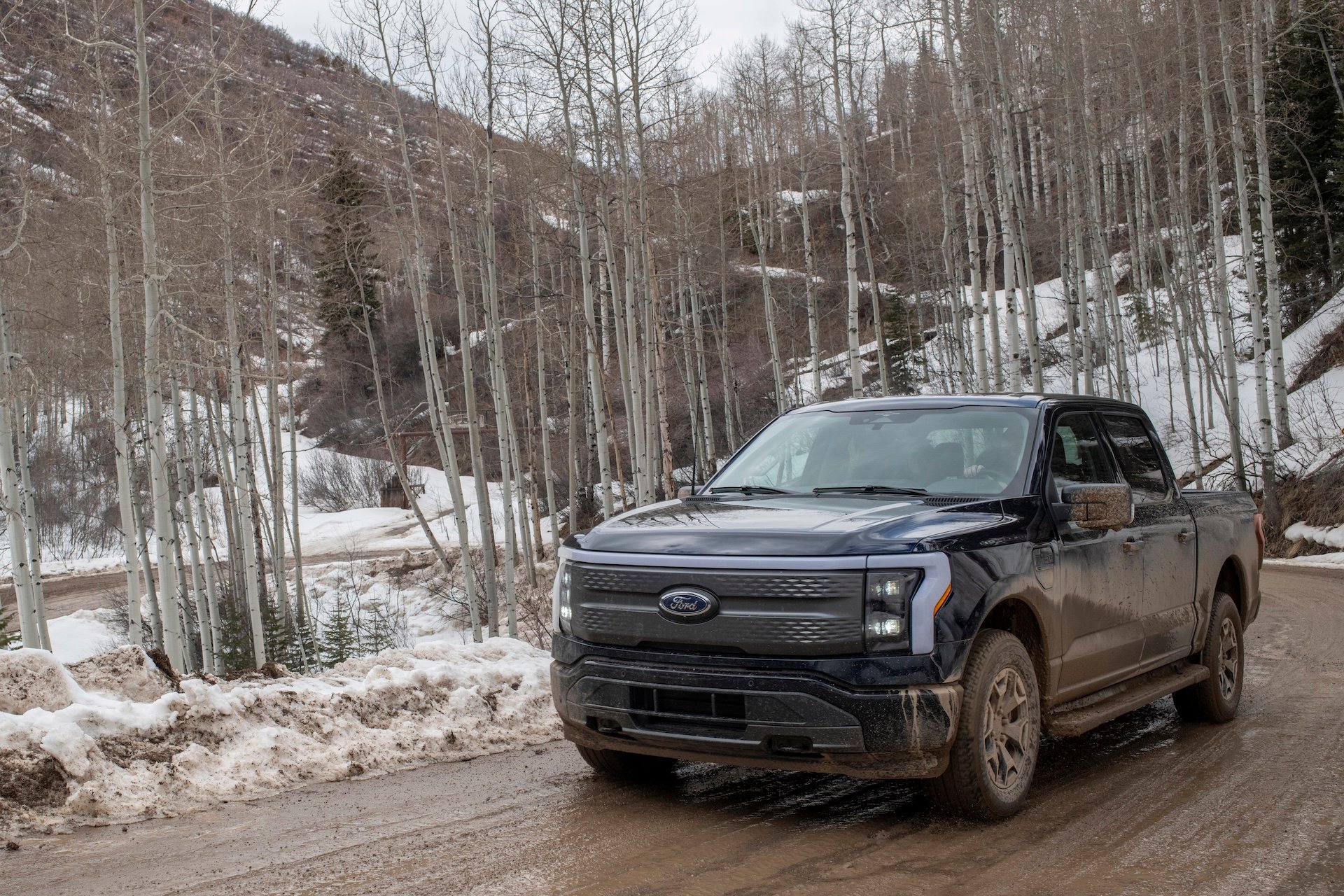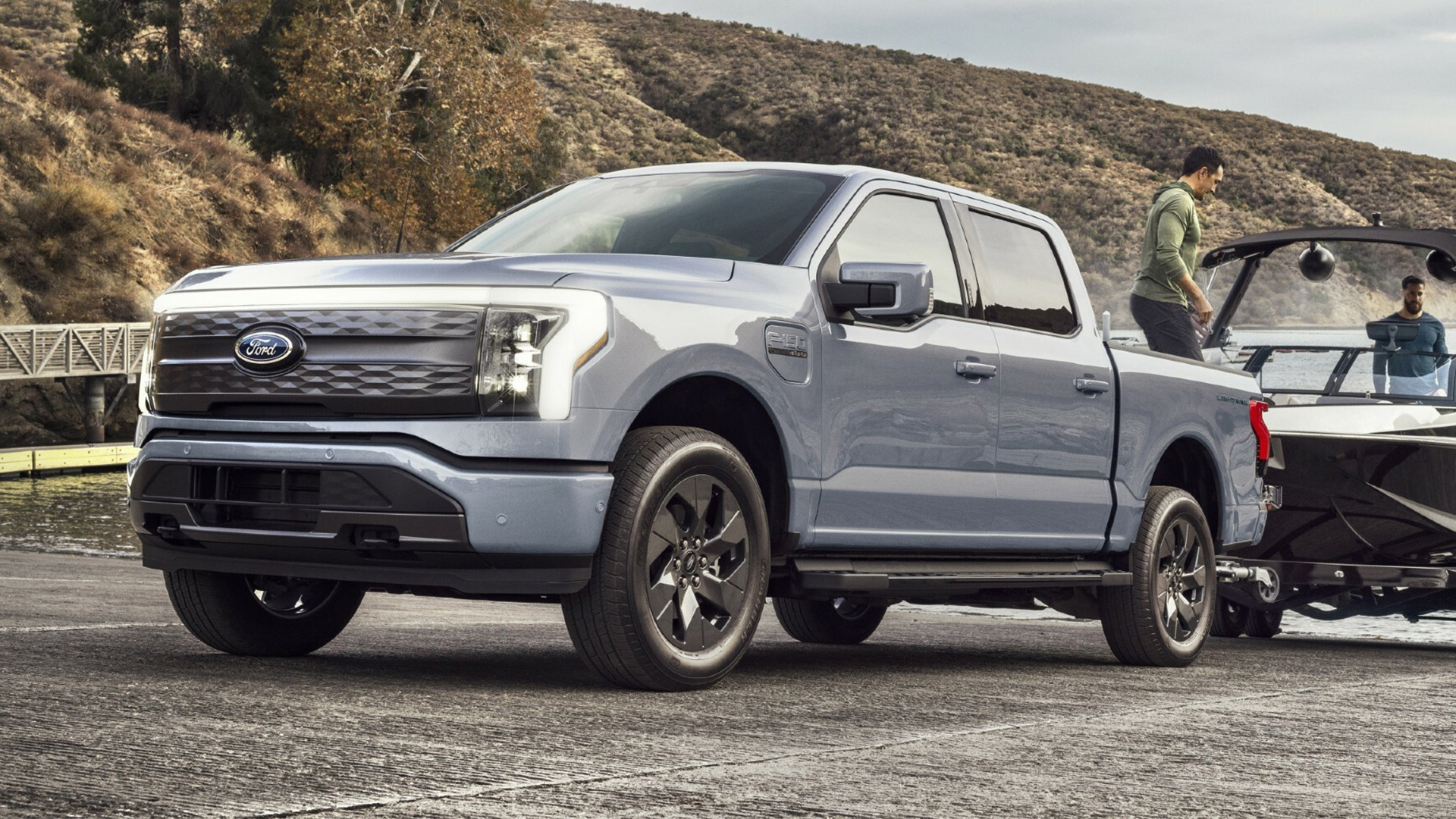
Ford Recalls 12K F-150 Lightning: Steering Fix Needed!
Are you an F-150 Lightning owner or considering purchasing one, and feeling concerned about recent news? Ford has announced a recall affecting approximately 12,000 F-150 Lightning trucks due to steering issues, raising important questions for current owners and potential buyers alike. Understanding the specifics of this recall is crucial for your safety and peace of mind. This article will break down everything you need to know, from identifying if your vehicle is affected to the steps you should take next.
What’s the Specific Steering Issue Affecting F-150 Lightnings?
The heart of the matter lies with a potential manufacturing defect in the steering gear of certain F-150 Lightning models. Specifically, the concern is that the steering gear in these trucks might have a component that was not machined to the correct specifications. This isn’t just a minor inconvenience; a faulty steering gear could lead to a range of serious problems for the driver.
Imagine driving and experiencing a sudden, unexpected change in how your truck responds. According to Ford’s official statements, the defect could potentially cause a loss of power steering assist or, in more severe cases, a complete loss of steering control. While driving at low speeds, a loss of power steering assist would make the vehicle much harder to steer, requiring significant physical effort. At higher speeds, such an issue could dramatically increase the risk of an accident, as the driver might struggle to maintain their intended path. This is why Ford has initiated a proactive recall – to address this potential safety hazard before it leads to widespread incidents.
The steering system in any vehicle is a complex network of components designed to translate your input from the steering wheel into directional movement of the wheels. When a critical part like the steering gear is compromised, the entire system’s integrity is at risk. Ford’s investigation identified this specific machining error as the root cause, prompting immediate action to ensure the safety and reliability of their electric truck lineup.
Which F-150 Lightning Models Are Affected by the Recall?
It’s natural for owners to wonder if their specific truck falls under this recall. The Ford Recalls 12K F-150 Lightning Trucks Due To Steering Issues specifically targets certain model year F-150 Lightning vehicles.
The recall primarily impacts 2023 model year F-150 Lightning trucks. It’s important to note that not all 2023 models are affected, only those produced within a specific manufacturing window where the potentially faulty steering gear components were installed. Ford estimates that approximately 12,000 vehicles are included in this action. This targeted approach helps ensure that only the necessary vehicles are brought in for inspection and repair, minimizing inconvenience for owners of unaffected trucks.
This recall is distinct from any previous or ongoing recalls that might affect other Ford vehicles or even other components of the F-150 Lightning. The focus here is solely on the steering gear assembly within this particular batch of electric trucks. Owners of 2022 or 2024 F-150 Lightning models, or other Ford vehicles, can generally rest assured that this specific steering recall does not apply to their vehicles, though it’s always wise to stay informed about any recalls pertinent to your own vehicle.
How to Check If Your F-150 Lightning Is Part of the Recall
Identifying whether your truck is affected is the first crucial step for any F-150 Lightning owner. Ford, like all major automakers, has established clear protocols for owners to verify their vehicle’s recall status.
Here’s how you can easily check if your F-150 Lightning is included in the Ford Recalls 12K F-150 Lightning Trucks Due To Steering Issues:
- Locate Your Vehicle Identification Number (VIN): Your VIN is a unique 17-character code that identifies your specific vehicle. You can find it in several places:
- On the driver’s side dashboard, visible through the windshield.
- On the driver’s side door jamb (usually on a sticker).
- On your vehicle registration card or insurance documents.
- Visit the Official Ford Recall Website: Ford maintains a dedicated online portal for recall lookups. Go to the official Ford owner website (typically owner.ford.com) and navigate to their recall section.
- Enter Your VIN: On the recall lookup page, there will be a field where you can input your VIN. Carefully type in your 17-character code.
- Review the Results: After submitting your VIN, the system will display any active recalls associated with your specific vehicle. If your F-150 Lightning is part of this steering recall, it will be clearly indicated, along with a description of the issue and the recommended next steps.
- Check NHTSA Website (Optional but Recommended): The National Highway Traffic Safety Administration (NHTSA) also maintains a comprehensive database of all automotive recalls in the U.S. You can visit NHTSA.gov/recalls and enter your VIN there as an additional verification step.
Ford will also directly notify affected owners by mail, sending official recall notices to the registered addresses. However, checking online provides the quickest way to get up-to-date information, especially if you’ve recently moved or if mail delivery is slow.
Understanding the Recall Process: What Owners Need to Do
If you’ve confirmed your F-150 Lightning is affected by the Ford Recalls 12K F-150 Lightning Trucks Due To Steering Issues, the next step is to understand and follow the recall process. This is designed to be as straightforward as possible to ensure your truck is repaired safely and efficiently.
Here’s a step-by-step guide for affected owners:
Step 1: Verify Your VIN and Understand the Recall Notice
Before doing anything else, ensure you have confirmed your vehicle’s inclusion in the recall using your VIN on Ford’s official recall website or the NHTSA site. Once confirmed, review the details of the recall notice. This notice will explain:
- The specific defect.
- The potential safety risks.
- The remedy (what will be fixed).
- Instructions on what to do next.
- The recall number (e.g., 23SXX) for reference.
Step 2: Contact Your Authorized Ford Dealership
Do not attempt to fix the issue yourself. The recall remedy must be performed by an authorized Ford service center. Contact your preferred Ford dealership’s service department as soon as possible.
- Call Ahead: It’s best to call and explain that your F-150 Lightning is subject to a recall for steering issues.
- Provide Information: Have your VIN and the recall number ready. This will help the dealership quickly identify the necessary parts and procedures.
- Ask About Parts Availability: In some recall situations, especially for new or high-volume recalls, parts might need to be ordered. Inquire about the estimated wait time for the steering gear component if it’s not immediately available.
Step 3: Schedule Your Repair Appointment
Once you’ve spoken with the dealership, schedule a convenient time for your vehicle to be serviced.
- Plan for Time: While the repair itself might take a few hours, factor in drop-off and pick-up times. Ask the dealership for an estimated repair duration.
- Transportation: Inquire if the dealership offers a loaner vehicle or shuttle service, especially if the repair is expected to take a significant amount of time.
Step 4: Understand the Repair Process
When you bring your truck in, the dealership technicians will perform the necessary repair. For this specific recall, the remedy involves:
- Inspection: Technicians will first inspect the steering gear assembly.
- Replacement: If the vehicle falls within the affected production range and the steering gear is identified as potentially faulty, it will be replaced with a new, correctly manufactured unit. This typically involves removing the existing steering gear and installing a new one, then recalibrating the steering system.
- No Cost to You: It is crucial to remember that all recall-related inspections and repairs are performed free of charge to the owner. This is mandated by federal safety regulations.
Step 5: Follow Up After Repair
After the repair is completed, ensure you receive documentation confirming the recall service has been performed. This record is important for your vehicle’s maintenance history and for any future inquiries. If you notice any lingering issues related to the steering after the repair, do not hesitate to contact the dealership immediately.
Is It Safe to Drive a Recalled F-150 Lightning?
This is perhaps the most pressing question for affected owners: can I continue to drive my truck until the repair is done? When a recall involves a critical safety system like steering, the general advice leans heavily towards caution.
Ford’s official stance, often echoed by safety regulators like NHTSA, is typically to advise owners to exercise extreme caution or, in some severe cases, to avoid driving the vehicle until the recall remedy has been performed. For the Ford Recalls 12K F-150 Lightning Trucks Due To Steering Issues, while Ford has not issued an explicit "do not drive" order, the potential for a loss of power steering assist or complete steering control is a significant safety risk.
Here’s what you should consider:
- Symptoms to Watch For: Be highly vigilant for any unusual steering behavior. This includes:
- Increased effort required to turn the steering wheel.
- Unusual noises coming from the steering column or front end (e.g., grinding, clunking).
- A feeling of looseness or excessive play in the steering wheel.
- Any warning lights related to power steering or the vehicle’s electrical system appearing on your dashboard.
- Minimize Driving: If you must drive your recalled F-150 Lightning before the repair, try to minimize your driving. Avoid long trips, high-speed driving, and situations where precise steering is critical. Drive slowly and defensively.
- Prioritize Repair: The best course of action is to schedule your repair as soon as possible. The sooner the faulty component is replaced, the sooner you can drive with confidence again.
- Ford’s Duty: Ford, as the manufacturer, has a legal and ethical obligation to ensure the safety of its vehicles. Recalls are a mechanism to address potential defects, and acting swiftly on them is paramount. For more information on automotive recalls and their importance, you can refer to the Wikipedia page on Automotive Recalls.
While the risk might not affect every recalled vehicle, the potential for a serious incident is why the recall exists. Prioritizing your safety and the safety of others on the road by getting the repair done promptly is always the recommended path.
Ford’s Commitment to Quality and Safety
Recalls, while unsettling for consumers, are a standard part of the automotive industry and often demonstrate a manufacturer’s commitment to safety and quality control. When Ford Recalls 12K F-150 Lightning Trucks Due To Steering Issues, it’s a clear indication that their internal systems detected a potential flaw, and they are taking proactive steps to rectify it.
Ford Motor Company has a long-standing history of manufacturing vehicles and, like all major automakers, occasionally faces recalls. What’s important is how a company responds. In this instance, Ford’s swift action to identify the affected vehicles, notify owners, and provide a no-cost repair underscores their dedication to customer safety.
Modern vehicles, especially electric trucks like the F-150 Lightning, are incredibly complex, integrating advanced technologies and sophisticated engineering. Despite rigorous testing and quality checks during manufacturing, unforeseen issues can sometimes arise. When they do, the recall system acts as a vital safety net. It allows manufacturers to correct defects that could pose a risk to vehicle occupants or other road users.
This recall for the F-150 Lightning highlights:
- Proactive Monitoring: Ford’s internal quality control and warranty claim analysis likely helped pinpoint this specific steering gear issue.
- Transparency: By publicly announcing the recall and providing clear instructions, Ford maintains transparency with its customer base and regulatory bodies.
- Consumer Protection: The recall process ensures that consumers are protected from potential safety hazards at no additional cost to them.
While no manufacturer wants to issue a recall, doing so responsibly and efficiently is a hallmark of a company dedicated to maintaining trust and upholding safety standards. It reassures customers that even when issues arise, the company stands behind its products and takes the necessary steps to ensure their reliability and safety.
The Broader Impact: Recalls and Consumer Confidence
Beyond the immediate concern for affected owners, a recall of this nature can have broader implications, particularly for consumer confidence in new technologies like electric vehicles. The Ford Recalls 12K F-150 Lightning Trucks Due To Steering Issues specifically touches upon a flagship electric model, which means it draws significant attention.
Impact on F-150 Lightning’s Reputation
The F-150 Lightning is a pivotal product for Ford, representing their push into the electric truck market. A recall, especially one related to a fundamental safety component like steering, can lead to:
- Temporary Hesitation: Potential buyers might pause their purchase decision, waiting to see how the issue is resolved and if any further problems emerge.
- Media Scrutiny: The recall will inevitably be covered by automotive news outlets, leading to public discussion and analysis of Ford’s quality control.
- Owner Anxiety: Current owners, even those not affected, might feel a general sense of unease about the reliability of their relatively new electric truck.
However, it’s also true that how Ford handles the recall can mitigate these impacts. A quick, efficient, and well-communicated resolution can reinforce trust rather than erode it.
Recalls in the EV Landscape
For electric vehicles specifically, every major recall or issue is often viewed through the lens of a nascent industry. Early adopters are often more tolerant of minor glitches, but safety-critical recalls can be more impactful. This F-150 Lightning steering recall is a reminder that even advanced electric vehicles are subject to the same mechanical principles and potential manufacturing defects as their internal combustion engine counterparts. It underscores that quality control and rigorous testing remain paramount, regardless of powertrain type.
Ultimately, recalls are a part of doing business in the automotive industry. What matters most is the commitment to identifying and fixing problems promptly and transparently. By doing so, Ford aims to uphold its reputation and continue building consumer confidence in the F-150 Lightning and its broader electric vehicle strategy. The goal is to ensure that owners feel secure in their investment and that the brand continues to represent reliability and innovation.
FAQ Section
Here are some common questions about the Ford F-150 Lightning steering recall:
Q1: What exactly is the problem with the F-150 Lightning steering?
A1: The recall addresses a potential manufacturing defect in the steering gear assembly. Specifically, a component within the steering gear might not have been machined to the correct specifications. This defect could lead to a loss of power steering assist or, in more severe cases, a complete loss of steering control, increasing the risk of an accident.
Q2: How many F-150 Lightning trucks are affected by this recall?
A2: Approximately 12,000 F-150 Lightning trucks are affected by this specific steering recall. These are primarily 2023 model year vehicles manufactured within a particular production window.
Q3: How can I check if my F-150 Lightning is included in the recall?
A3: You can check if your truck is affected by visiting the official Ford recall website (owner.ford.com) or the National Highway Traffic Safety Administration (NHTSA) recall website (NHTSA.gov/recalls). Simply enter your 17-character Vehicle Identification Number (VIN) into the lookup tool to see if there are any active recalls for your specific vehicle.
Q4: What should I do if my F-150 Lightning is part of the recall?
A4: If your truck is affected, you should contact an authorized Ford dealership’s service department as soon as possible to schedule a repair appointment. Ford will perform the necessary inspection and replacement of the steering gear assembly free of charge. While waiting for the repair, drive with extreme caution, minimize driving, and be vigilant for any unusual steering behavior.
Q5: Will I have to pay for the repair related to this recall?
A5: No, you will not have to pay for any inspection or repair related to this recall. All recall services, including parts and labor, are performed completely free of charge to the owner, as mandated by federal safety regulations.
Q6: Is it safe to drive my F-150 Lightning if it’s recalled?
A6: Ford advises extreme caution. While an explicit "do not drive" order hasn’t been issued, the potential for a loss of steering control is a significant safety risk. It is strongly recommended to minimize driving and get the repair done as soon as possible. If you experience any steering issues, pull over safely and do not continue driving.
Conclusion
The Ford Recalls 12K F-150 Lightning Trucks Due To Steering Issues is a significant event for owners of the popular electric pickup. While any recall can be concerning, Ford’s proactive approach to identifying and addressing this potential steering gear defect underscores their commitment to safety. By following the simple steps outlined in this article – checking your VIN, contacting your dealership, and getting the necessary repair – you can ensure your F-150 Lightning remains a safe and reliable vehicle. Your peace of mind, and the safety of everyone on the road, is paramount.
We hope this comprehensive guide has provided you with clarity and confidence regarding this important recall. If you found this information helpful, please consider sharing it on your social media channels to help other F-150 Lightning owners stay informed and take the necessary actions!