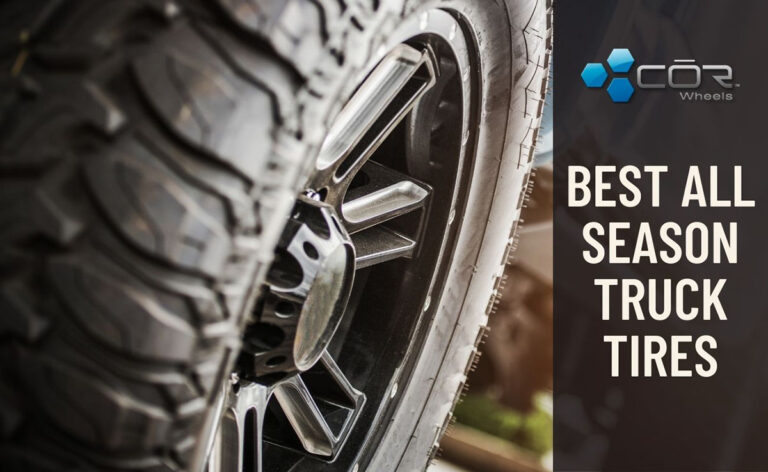
Best All-Season AT Truck Tire for Snow? Find Your Match!
Driving a truck in winter conditions can be challenging, especially when snow blankets the roads. You need tires that offer reliable traction and safety without the hassle of swapping to dedicated winter sets. But what’s the best all-season AT truck tire for snow that truly delivers when the flakes start falling? This article will guide you through making an informed decision.
Understanding All-Season AT Tires and Snow Performance
When you own a truck, you expect versatility. All-terrain (AT) tires are designed to handle both paved roads and light off-road adventures. The "all-season" aspect suggests they’re suitable year-round. However, the term "all-season" can be misleading when it comes to significant snow performance. Not all all-season AT tires are created equal, especially in icy or deep snow conditions.
True all-season tires are generally designed for mild winter conditions, where temperatures rarely drop below freezing and snow is infrequent or light. All-terrain tires, on the other hand, boast a more aggressive tread pattern for off-road grip. The magic happens when an AT tire incorporates specific features that enhance its snow performance, bridging the gap between a standard all-season and a dedicated winter tire.
The primary factors influencing an AT tire’s snow performance include its tread depth, the density and design of its sipes (small slits in the tread blocks), and the rubber compound used. A tire’s ability to maintain flexibility in cold temperatures is crucial for grip, as a stiff tire will lose traction rapidly. Similarly, an effective tread pattern needs to bite into snow and efficiently evacuate slush to prevent hydroplaning.
The All-Season, All-Terrain, and Winter Tire Spectrum
To clarify the confusion, let’s briefly differentiate:
- Standard All-Season Tires: Designed for general use, mild winters. Not ideal for heavy snow or ice.
- All-Terrain (AT) Tires: More aggressive tread, good for off-road and varied conditions. Some offer decent snow performance.
- Dedicated Winter Tires: Specifically engineered for cold temperatures, snow, and ice. Superior performance in harsh winter conditions.
Our focus here is on the subset of AT tires that can genuinely offer robust snow performance without being a full-blown winter tire.
The 3PMSF Symbol: Your Guide to True Snow Capability
If you’re looking for what’s the best all-season AT truck tire for snow, the single most important indicator you should seek is the Three-Peak Mountain Snowflake (3PMSF) symbol. This symbol is not just a marketing gimmick; it signifies that a tire has met specific performance criteria in challenging winter conditions, as defined by standardized tests.
The 3PMSF symbol is awarded to tires that have demonstrated superior snow traction compared to a reference all-season tire. This means they perform better in snow acceleration tests. Unlike general "M+S" (Mud and Snow) ratings, which are based on tread design features and don’t require performance testing, the 3PMSF symbol is performance-based.
When an all-terrain tire carries the 3PMSF symbol, it indicates that its rubber compound is designed to remain pliable in freezing temperatures (below 45°F or 7°C) and its tread pattern is optimized for biting into and clearing snow. This is a crucial distinction, as many AT tires without this symbol may struggle significantly in packed snow or icy conditions, regardless of their aggressive looks. According to organizations like the U.S. Tire Manufacturers Association (USTMA), tires bearing the 3PMSF symbol provide a minimum of 10% better snow traction than standard all-season tires.
For a deeper dive into tire classifications and their standards, you can refer to the Wikipedia article on Tire Code. Understanding these symbols is paramount to ensuring your truck has the grip it needs when winter weather strikes.
Key Features to Look for in an AT Tire for Snow
When evaluating an all-season AT truck tire for its snow capabilities, beyond the 3PMSF symbol, several design features contribute significantly to its performance. Knowing these can help you dissect tire specifications and choose wisely.
- Aggressive, Open Tread Pattern: This is the hallmark of an AT tire. For snow, you need deep, widely spaced tread blocks. These large voids allow the tire to "bite" into soft snow and slush, providing mechanical grip. They also help to evacuate snow and mud from the tread, preventing it from packing up and turning the tire into a slick, ineffective roller. Look for tires with staggered shoulder blocks for enhanced lateral grip.
- High Sipe Density: Sipes are the small, thin slits cut into the tread blocks. They are critical for grip on packed snow and ice. When the tire makes contact with the road, these sipes open up, creating thousands of additional biting edges that grip the slippery surface. More sipes generally mean better traction in icy or compacted snow conditions. Modern AT tires designed for snow often feature multi-directional or 3D sipes that lock together under load, providing stability while still offering ample biting edges.
- Cold-Weather Rubber Compound: This is where many standard all-season AT tires fall short. A true snow-capable AT tire will use a rubber compound that remains flexible and grippy even when temperatures drop significantly below freezing. Standard compounds can harden in the cold, losing their ability to conform to the road surface and provide traction. Tire manufacturers use special polymers and silica in these compounds to ensure flexibility in low temperatures.
- Robust Shoulder Design: The outer edges of the tire, known as the shoulders, play a significant role in snow traction and stability. Open, stepped shoulder blocks allow snow to clear easily, maintaining contact with the road. This also contributes to better cornering stability in slippery conditions.
- Ply Rating and Durability: While not directly related to snow traction, for truck owners, the ply rating (or load range) is crucial. Ensure the AT tire you choose meets or exceeds your truck’s load capacity requirements. Truck tires are built to handle heavy loads, and compromising on durability can lead to safety issues and premature wear.
- Stone Ejectors: Many AT tires include small "ejectors" in the tread grooves designed to push out stones and debris. While primarily for off-road use, these can also help prevent snow and ice from compacting and getting stuck, maintaining tread effectiveness.
When combining these features with the assurance of the 3PMSF symbol, you’re looking at an all-season AT tire that is truly equipped to handle winter’s worst.
All-Season AT vs. Dedicated Winter Tires: A Crucial Comparison
While the focus here is on what’s the best all-season AT truck tire for snow, it’s vital to understand that even the best 3PMSF-rated AT tire is not a direct replacement for a dedicated winter tire in extreme conditions. Each type serves a specific purpose, and recognizing their strengths and weaknesses is key to making a safe choice.
Here’s a comparison to help you weigh your options:
| Feature/Category | All-Season AT Tire (with 3PMSF) | Dedicated Winter Tire |
|---|---|---|
| Rubber Compound | Stays flexible in cold, but typically harder than winter tires. | Specifically formulated to remain soft and pliable in extreme cold (below 45°F). |
| Tread Pattern | Aggressive, open blocks for off-road and snow. Good for varied conditions. | Highly siped, often directional or asymmetric, designed solely for snow/ice. |
| Sipe Density | High density, multi-directional sipes. | Extremely high density of deep, multi-directional sipes. |
| Snow Traction | Significantly better than standard AT; good for moderate to heavy snow. | Superior traction in deep snow, slush, and packed snow. |
| Ice Traction | Moderate; better than standard AT, but limited on black ice. | Excellent; optimized for grip on ice. |
| Wet Traction (Cold) | Good. | Excellent. |
| Dry Road Performance | Stable, good handling. Can be noisier than highway tires. | Softer feel, slightly less precise handling, faster wear in warm temps. |
| Durability/Lifespan | Good, designed for year-round use. | Shorter lifespan if used in warm weather; optimized for cold wear. |
| Convenience | Install once, use year-round. No seasonal tire changes. | Requires seasonal tire changes and storage of an extra set. |
| Cost | Initial cost for one set of tires. | Higher initial cost (two sets of tires) but longer overall tire life (per mile). |
When to Choose a 3PMSF All-Season AT Tire:
- You experience moderate snow and cold, but not consistently extreme winter conditions.
- You want the convenience of a single tire set year-round.
- You frequently drive on unpaved roads or need off-road capability in addition to winter performance.
- Your winter driving involves a mix of dry, wet, and snowy roads, and you want a balanced performer.
When to Choose Dedicated Winter Tires:
- You live in an area with consistently severe winter weather, heavy snowfall, and icy roads.
- Your priority is maximum safety and control in extreme winter conditions.
- You’re willing to invest in two sets of tires and manage seasonal changes.
- You frequently drive in mountainous regions with unpredictable and harsh winter conditions.
Ultimately, a 3PMSF-rated all-season AT tire is an excellent compromise for many truck owners who face varied winter conditions but don’t want the commitment of dedicated winter tires. It offers a significant safety upgrade over standard all-season or AT tires that lack the snow performance rating.
What About Studdable AT Tires?
Some all-season AT tires come with the option to be studded. Studs are small metal or ceramic pins inserted into pre-drilled holes in the tire tread. They are designed to provide extra grip on ice and packed snow, literally digging into the surface.
Pros of Studdable AT Tires (when studded):
- Superior Ice Traction: Studs offer excellent grip on sheer ice, where even the best sipes might struggle.
- Improved Packed Snow Traction: They can provide an edge on heavily compacted snow.
Cons of Studdable AT Tires (when studded):
- Legality: Studded tires are illegal or have seasonal restrictions in many U.S. states and Canadian provinces due to potential road damage. Always check local regulations.
- Dry Road Performance: They can be noisy and reduce grip on dry pavement, as the studs lift the tire slightly off the road surface. This can also affect handling and braking.
- Environmental Impact: Studs can cause wear on road surfaces, contributing to dust and potholes.
- Fuel Economy: The added friction can slightly reduce fuel efficiency.
Should you consider studdable AT tires?
If you live in a region with very harsh, icy winters and studded tires are legal during the winter months, they can be a viable option for maximizing ice traction. However, for most drivers facing typical snow conditions, a high-quality 3PMSF-rated all-season AT tire will provide ample performance without the drawbacks of studs. Always prioritize checking your local laws before considering studded tires.
Maintaining Your AT Tires for Optimal Snow Performance
Even the best all-season AT truck tire for snow needs proper care to perform at its peak. Regular maintenance ensures safety, extends tire life, and optimizes traction in challenging winter conditions.
Here are essential steps to keep your AT tires ready for snow:
- Monitor Tire Pressure Regularly:
- Why it’s crucial: Tire pressure drops with temperature. For every 10°F (5.5°C) decrease in ambient temperature, tire pressure can drop by about 1 PSI. Underinflated tires reduce traction, handling, and fuel efficiency, and can cause uneven wear.
- How to do it: Check your tire pressure at least once a month, or more frequently during significant temperature swings, using a reliable gauge. Do this when the tires are cold (before driving). Refer to your truck’s owner’s manual or the sticker on the driver’s side door jamb for the recommended PSI, not the maximum pressure listed on the tire sidewall.
- Regular Tire Rotation:
- Why it’s crucial: Tires wear differently depending on their position on the vehicle. Regular rotation (typically every 5,000 to 8,000 miles, or as recommended by your tire manufacturer) ensures even wear across all four tires. This maintains balanced traction, which is especially important for stability and grip in snowy conditions.
- How to do it: Follow your vehicle manufacturer’s recommended rotation pattern (e.g., cross-rotation, front-to-back).
- Check Tread Depth:
- Why it’s crucial: Adequate tread depth is paramount for snow and slush traction. As tread wears down, a tire’s ability to grip snow and evacuate water diminishes significantly. While the legal minimum tread depth is often 2/32nds of an inch, for safe winter driving, experts recommend at least 4/32nds of an inch. Below this, your tire’s snow performance is severely compromised.
- How to do it: Use a tread depth gauge or the "penny test." Insert a penny into a tread groove with Lincoln’s head upside down and facing you. If you can see all of Lincoln’s head, your tread is at or below 2/32nds and needs replacement. For better snow performance, ensure a significant portion of Lincoln’s head is covered.
- Inspect for Damage:
- Why it’s crucial: Potholes, road debris, and general wear can cause cuts, bulges, or punctures. These can compromise the tire’s structural integrity and lead to sudden failures, which are particularly dangerous in slippery conditions.
- How to do it: Periodically visually inspect your tires for any signs of damage, unusual wear patterns, or embedded objects. If you notice anything concerning, have your tires professionally inspected.
- Keep Tires Clean (Especially Tread):
- Why it’s crucial: Mud, dirt, and ice buildup in the tread grooves can reduce their effectiveness, especially in snow.
- How to do it: After off-road excursions or driving through heavy mud, rinse your tires to clear the tread. Before a significant snow event, ensure your tires are clean for optimal grip.
By following these maintenance tips, you’re not only prolonging the life of your investment but also ensuring your truck’s all-season AT tires deliver their best possible performance and safety when navigating snowy roads.
Frequently Asked Questions About AT Tires and Snow
Navigating the world of truck tires can raise many questions, especially when winter performance is a priority. Here are some common queries about all-season AT tires and their suitability for snow.
Q1: Can I use regular all-season tires (without 3PMSF) in heavy snow?
A1: While "all-season" implies year-round use, most standard all-season tires are not designed for heavy snow or icy conditions. Their rubber compounds tend to stiffen in cold temperatures, and their tread patterns lack the aggressive biting edges and sipes needed for significant snow traction. For heavy snow, deep slush, or ice, you absolutely need tires with the Three-Peak Mountain Snowflake (3PMSF) symbol, whether they are all-season AT tires or dedicated winter tires. Using non-3PMSF tires in heavy snow can severely compromise your safety and control.
Q2: How important is tread depth for snow traction?
A2: Tread depth is critically important for snow traction. New tires typically have 10/32nds to 12/32nds of an inch of tread. As tread wears down, a tire’s ability to grip snow and evacuate slush diminishes rapidly. While the legal minimum tread depth is often 2/32nds of an inch, for safe winter driving, experts recommend a minimum of 4/32nds of an inch. Below this, your tire’s ability to provide mechanical grip in snow and prevent hydroplaning in slush is significantly reduced, making driving much riskier.
Q3: Are more expensive AT tires always better in snow?
A3: Not necessarily, but there’s often a correlation between price, technology, and performance. More expensive AT tires from reputable brands often incorporate advanced rubber compounds, sophisticated siping technology, and optimized tread designs that are specifically engineered for better snow performance and durability. However, it’s crucial to look beyond just the price tag and check for the 3PMSF symbol and read reviews that specifically address snow performance. A mid-range AT tire with the 3PMSF rating might outperform a premium AT tire without it, in snow.
Q4: Should I downsize my wheels for winter AT tires?
A4: Downsizing wheels for winter tires is a common practice, particularly for passenger vehicles. For trucks, it can also offer benefits. A narrower tire, often associated with a smaller wheel diameter (while maintaining overall tire diameter), can offer better "bite" through deep snow and reduce hydroplaning risk in slush. Smaller wheels also generally mean more sidewall, which can offer better protection against potholes (often more prevalent in winter) and a slightly smoother ride. However, always ensure any downsizing is within your truck’s specifications and that the tire’s load rating is appropriate for your vehicle.
Q5: How do I know if my AT tire has the 3PMSF symbol?
A5: The Three-Peak Mountain Snowflake (3PMSF) symbol is clearly marked on the tire’s sidewall. It looks like a snowflake inside a three-peaked mountain outline. If you don’t see this specific symbol, the tire does not meet the performance standards for severe snow service, regardless of whether it has an "M+S" (Mud and Snow) rating. Always visually inspect the tire sidewall for this symbol when making a purchase decision for snow performance.
Q6: What’s the lifespan of an AT tire used in snowy conditions?
A6: The lifespan of an AT tire depends on many factors: driving style, road conditions, maintenance, and the specific tire’s quality. When used year-round, including snowy conditions, AT tires generally last between 40,000 to 60,000 miles. However, driving aggressively on snowy or icy roads can accelerate wear. Additionally, if the tire has a softer, more cold-optimized rubber compound (common for 3PMSF ratings), it might wear slightly faster in warmer conditions than a harder, standard AT tire. Regular maintenance like proper inflation and rotation is key to maximizing lifespan.
Conclusion
Choosing the right all-season AT truck tire for snow can significantly enhance your safety and confidence when winter weather hits. While no all-season tire can fully replicate the ultimate performance of a dedicated winter tire in extreme conditions, selecting an all-terrain tire with the Three-Peak Mountain Snowflake (3PMSF) symbol is your best bet for robust snow capability without the need for seasonal tire changes.
Prioritize features like aggressive tread patterns, high sipe density, and cold-weather rubber compounds. Remember that diligent maintenance, including regular pressure checks and rotations, is crucial for maximizing your tire’s performance and longevity. Make an informed decision, stay safe on the roads, and enjoy your winter adventures!
If this article helped you navigate the complexities of truck tires for snow, consider sharing it with fellow truck owners on social media!
